
Puppy Crate Training Guide: The Complete Week-by-Week Schedule
Everything you need to know about crate training your puppy using science-backed methods. Get your pup comfortable, confident, and house trained the right way.
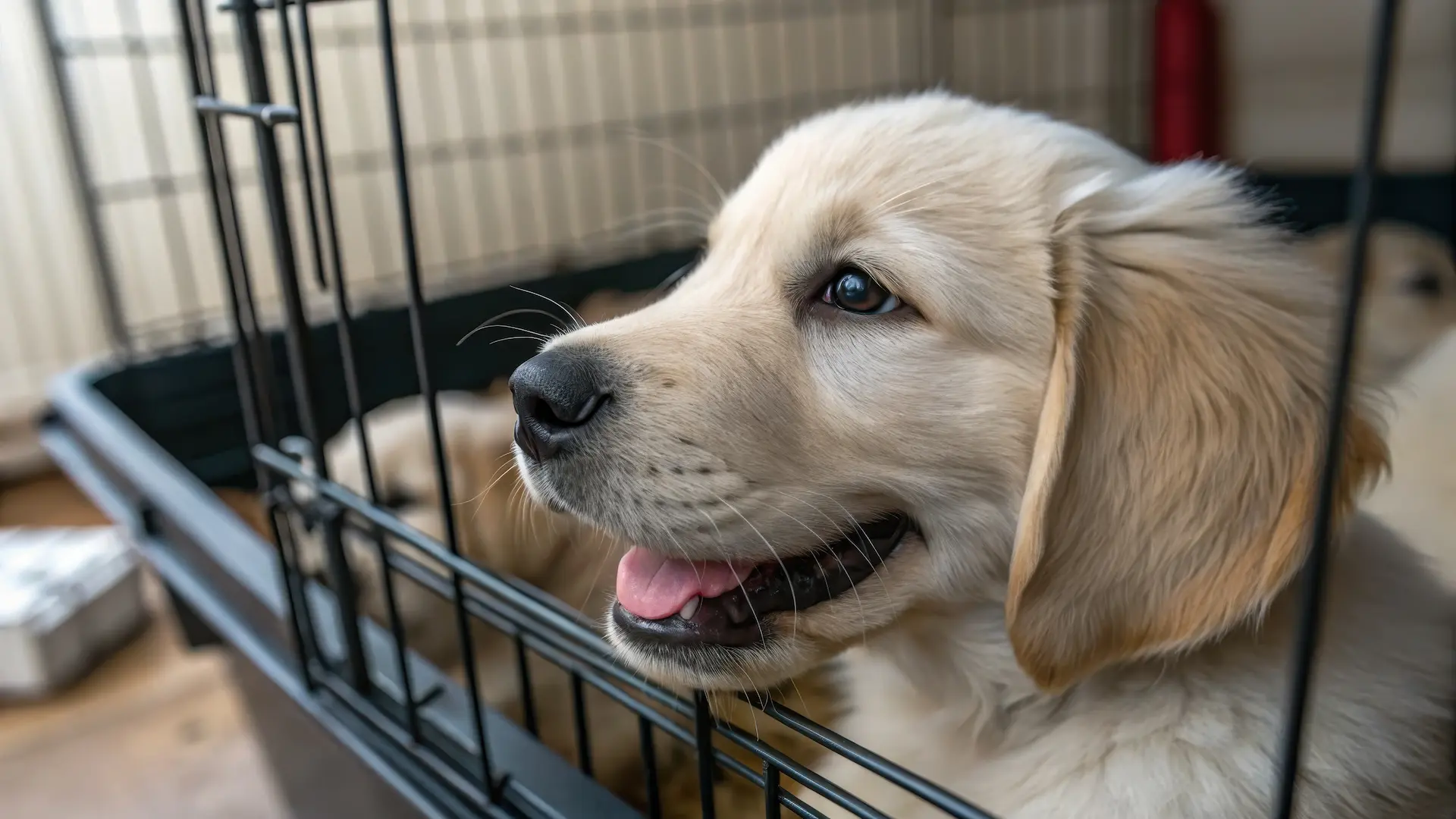
Bringing home a new Puppy is one of life's greatest joys. Those tiny paws, that wiggly body, those adorable puppy eyes—it's hard not to fall in love instantly. But along with all that cuteness comes a big responsibility: teaching your puppy how to behave in your home.
That's where crate training comes in. Done right, crate training is one of the most powerful tools you have as a new Puppy parent. It helps with house training, keeps your puppy safe, reduces anxiety, and gives your furry friend a cozy den to call their own.
In this complete guide, we'll walk you through everything you need to know about crate training your puppy. We've based these methods on the latest canine behavior research and combined them with practical tips from years of training dogs across West Virginia. Whether you live in Tucker County, Preston County, or anywhere else in the Mountain State, these techniques will work for you and your pup.
Crate training typically takes 2-4 weeks when done consistently. The key is patience, positive reinforcement, and never using the crate as punishment. By the end of this guide, you'll have all the tools you need to make your Puppy love their crate.
What Is Crate Training and Why Does It Work?
Crate training is the process of teaching your puppy to feel comfortable and safe in a crate or kennel. Think of it as giving your puppy their own bedroom—a place where they can relax, sleep, and feel secure.
But why does crate training work so well? The answer lies in your dog's natural instincts.
Dogs are natural den animals. In the wild, canines seek out small, enclosed spaces to rest and raise their young. According to research published in the Journal of Applied Animal Behaviour Science, dogs show a natural preference for enclosed resting areas that provide a sense of security and protection from perceived threats.
When you introduce a crate correctly, your puppy's instincts kick in. The crate becomes their den—a safe space where they can retreat when they feel overwhelmed, tired, or just need some quiet time.
Crate training also works with your puppy's natural desire to keep their sleeping area clean. Puppies don't want to soil where they sleep. This instinct is the foundation of house training, and a properly sized crate helps reinforce it.
The Two Types of Crate Training Approaches
There are two main schools of thought when it comes to crate training:
- Gradual Introduction – This slow, gentle approach involves weeks of positive association building before closing the door. It's ideal for sensitive puppies or those with previous negative crate experiences.
- Structured Training – This approach follows a specific schedule from day one. It's efficient and works well for confident puppies who adapt quickly to new situations.
In this guide, we'll use a combination of both methods. We start gently to build positive associations, then move into a structured schedule that gets results quickly.
The Science-Backed Benefits of Crate Training
Some new puppy parents worry that crate training might be cruel or unnecessary. Let's look at what the science actually says about the benefits of proper crate training.
1. Faster House Training
House training is usually the first big challenge new Puppy parents face. Crate training makes it significantly easier and faster.
A study in the Journal of the American Veterinary Medical Association found that puppies who were crate trained achieved reliable house training an average of 3 weeks earlier than those trained without crates. The researchers attributed this to the dog's natural instinct to avoid soiling their sleeping area.
Here's why it works: when your Puppy is in an appropriately sized crate, they're motivated to "hold it" because they don't want to mess up their space. This builds bladder and bowel control while teaching them that outside is the right place to go potty.
2. Reduced Anxiety and Stress
A crate-trained dog has a built-in coping mechanism for stressful situations. Thunderstorms, fireworks, house guests, or just a busy day—the crate provides a quiet retreat.
Research from the Cornell University College of Veterinary Medicine shows that dogs with access to den-like spaces display lower cortisol levels (the stress hormone) during anxiety-inducing events compared to dogs without such refuges.
If you have concerns about your puppy developing anxiety issues, our puppy training program can help address these early and set your dog up for a confident, happy life.
3. Safety and Prevention of Destructive Behavior
Puppies are curious creatures. They explore the world with their mouths, which can lead to chewed furniture, swallowed objects, and other dangerous situations. A crate keeps your puppy safe when you can't supervise them directly.
It's not about limiting your puppy's freedom—it's about keeping them safe until they learn what's appropriate to chew and what's not.
4. Easier Travel and Vet Visits
A crate-trained dog handles car rides, vet visits, and stays at boarding facilities much better than a dog who's never been in a crate. These experiences become routine rather than traumatic.
5. Emergency Preparedness
In emergencies like natural disasters or evacuations, a crate-trained dog is much easier to manage. Emergency shelters often require pets to be crated, and a dog who's already comfortable in their crate will handle the situation much better.
🐾 Need Help With Your Puppy?
Our expert trainers have helped hundreds of West Virginia families raise happy, well-behaved dogs. From basic puppy training to advanced obedience, we're here to help!
Explore Puppy Training Programs →How to Choose the Right Crate for Your Puppy
Not all crates are created equal. Choosing the right crate is essential for successful training. Here's what you need to know.
Crate Size: The Golden Rule
Your puppy's crate should be big enough for them to:
- Stand up without their head touching the top
- Turn around in a full circle comfortably
- Lie down and stretch out their legs
But here's the important part: the crate shouldn't be too big. If there's too much space, your puppy might use one corner as a bathroom and another as a bedroom. This defeats the purpose of using the crate for house training.
For growing puppies: Buy a crate sized for your dog's adult size and use a divider to adjust the space as they grow. Most wire crates come with dividers, or you can make one yourself. This saves money and ensures the crate grows with your pup.
Types of Crates
| Crate Type | Best For | Pros | Cons |
|---|---|---|---|
| Wire Crates | Most puppies, home use | Good airflow, visibility, collapsible, usually includes divider | Heavier, less den-like without a cover |
| Plastic Crates | Travel, anxious dogs | More enclosed/den-like, airline approved, lightweight | Less ventilation, harder to clean |
| Soft-Sided Crates | Travel, already crate-trained dogs | Very lightweight, portable, comfortable | Not chew-proof, not for unsupervised puppies |
| Furniture-Style Crates | Home décor, adult dogs | Attractive, doubles as furniture | Expensive, often not ideal size for training |
Our recommendation: For most puppies, start with a wire crate with a divider. They offer the best combination of visibility, ventilation, and adjustability. You can add a crate cover to make it more den-like once your puppy is comfortable.
Crate Placement
Where you put the crate matters almost as much as the crate itself. Here are the guidelines:
- Living areas during the day – Your puppy wants to be near the family. Put the crate in a room where people spend time so they don't feel isolated.
- Bedroom at night – For the first few weeks, keep the crate in your bedroom. This helps your puppy feel secure and makes nighttime bathroom breaks easier.
- Away from drafts and direct sunlight – Keep your puppy comfortable with moderate temperatures.
- Quiet but not isolated – Avoid high-traffic areas where the puppy will be constantly disturbed, but don't put them in a basement or garage where they'll feel abandoned.
Setting Up for Success: Before You Begin
Before you start crate training, gather your supplies and set realistic expectations. A little preparation goes a long way.
What You'll Need
- Appropriately sized crate with divider if needed
- High-value training treats – Small, soft treats work best. Think tiny pieces of chicken, cheese, or commercial training treats.
- Comfortable crate pad or bed – Start with something washable in case of accidents. Some trainers recommend starting with just a towel until your puppy is house trained.
- Safe chew toys – Kongs, Nylabones, or other puppy-safe options keep your pup occupied.
- Enzymatic cleaner – For cleaning up accidents properly.
- Patience and consistency – The most important supplies of all!
Setting Realistic Expectations
Crate training isn't an overnight process. Here's what to expect:
- Days 1-3: Introduction phase. Your puppy explores the crate with the door open.
- Days 4-7: Short confinement periods. Door closes briefly while you're present.
- Week 2: Gradual increases in crate time. You begin leaving the room.
- Weeks 3-4: Longer periods and overnight crating become routine.
Some puppies progress faster, and some take longer. Both are normal. The key is watching your individual puppy and adjusting accordingly.
Never use the crate as punishment. If your puppy associates the crate with being in trouble, they'll resist going in and the training will backfire. The crate should always be a positive, safe space.
Understanding Puppy Bladder Capacity
One of the most important factors in crate training is understanding how long your puppy can physically hold their bladder. Here's the general guideline:
According to the American Kennel Club, puppies can typically hold their bladder for one hour per month of age, plus one. So a 2-month-old puppy can hold it for about 3 hours, while a 4-month-old can manage around 5 hours.
| Puppy Age | Maximum Crate Time (Daytime) | Nighttime (While Sleeping) |
|---|---|---|
| 8-10 weeks | 1-2 hours | 3-4 hours |
| 11-14 weeks | 2-3 hours | 4-5 hours |
| 15-16 weeks | 3-4 hours | 5-6 hours |
| 17+ weeks | 4-5 hours max | 6-8 hours |
Important: Even adult dogs shouldn't be crated for more than 4-5 hours during the day on a regular basis. Dogs need exercise, bathroom breaks, and social interaction. If you work long hours, consider a board and train program or doggy daycare to ensure your pup's needs are met.
The Complete Week-by-Week Crate Training Schedule
Now for the practical part—your detailed, day-by-day crate training plan. Follow this schedule, adjust based on your puppy's progress, and you'll have a crate-trained pup in no time.
WEEK 1 Introduction and Positive Association
The goal this week is simple: make your puppy LOVE the crate. We're not closing the door yet—just building positive feelings.
Days 1-2: Exploration
- Set up the crate in your living area with the door secured open (so it won't swing and scare your puppy).
- Place a comfortable blanket or towel inside.
- Toss high-value treats into the crate throughout the day. Let your puppy go in to get them and come out freely.
- Praise your puppy enthusiastically every time they enter the crate, even just to grab a treat.
- Never force your puppy into the crate. Let all interactions be voluntary.
Days 3-4: Mealtime Magic
- Start feeding your puppy their meals inside the crate.
- At first, place the bowl just inside the doorway.
- With each meal, move the bowl a little further back until it's at the rear of the crate.
- Stay nearby while your puppy eats. Keep the mood positive and calm.
Days 5-7: Adding a Command
- Choose a crate command like "kennel," "crate," or "bed." Use it consistently.
- Say your command, then toss a treat into the crate.
- When your puppy enters, praise them and give another treat.
- Practice this 5-10 times per session, several sessions throughout the day.
- Start leaving treats and chew toys in the crate randomly so your puppy "discovers" good things there.
Make it a game! Hide treats in the crate while your puppy isn't looking and let them "find" them. This creates positive surprises associated with the crate.
WEEK 2 Short Confinement Periods
Now that your puppy loves going into the crate, we'll start closing the door for brief periods.
Days 8-10: Door Closed, You Present
- Ask your puppy to enter the crate with your command.
- Give them a treat and gently close the door.
- Sit quietly right next to the crate for 1-2 minutes.
- If your puppy is calm, open the door calmly (don't make it a big celebration).
- If your puppy whines, wait for even a brief pause in the whining before opening the door. Never open the door while they're actively whining—this teaches them that whining works.
- Gradually increase time with the door closed: 1 minute → 2 minutes → 5 minutes → 10 minutes.
Days 11-14: Adding Distance
- Give your puppy a stuffed Kong or chew toy when they enter the crate.
- Close the door and move a few feet away.
- Stay in the same room but go about your normal activities.
- Gradually increase distance and crate time over these days.
- By day 14, aim for your puppy to be comfortable in the closed crate for 20-30 minutes while you're in the same room.
🎯 Training Tip From the Pros
Struggling with crate training or have a puppy with extra challenges? Our trainers in Taylor County, Marion County, and throughout West Virginia are here to help!
View Training Packages →WEEK 3 Leaving the Room and Building Independence
This week, we teach your puppy that the crate is safe even when you're not visible.
Days 15-17: Brief Absences
- Crate your puppy with a Kong or chew toy.
- Leave the room for 1-2 minutes.
- Return calmly—no big greetings.
- If your puppy stayed quiet, let them out after a moment.
- Gradually increase your absence time: 2 minutes → 5 minutes → 10 minutes → 15 minutes.
Days 18-21: Longer Absences
- Work up to 30-minute absences with you out of sight.
- Vary your routine so your puppy doesn't predict exactly when you'll return.
- Sometimes return after 5 minutes, sometimes after 20.
- Always keep departures and arrivals low-key.
Research published in the Applied Animal Behaviour Science journal shows that keeping departures and arrivals calm reduces the likelihood of separation anxiety developing. When we make a big fuss, we inadvertently teach our dogs that our coming and going is a big deal worth worrying about.
WEEK 4 Real-World Application
By now, your puppy should be comfortable in the crate for extended periods. This week, we apply crate training to real-life situations.
Days 22-24: Leaving the House
- Start with short trips—take out the trash, check the mail, walk to the end of the driveway.
- Gradually extend to 15-30 minutes away from home.
- Always leave your puppy with something to do (Kong, safe chew toy).
Days 25-28: Extended Crating
- Your puppy can now handle being crated while you run errands (within their age-appropriate time limits).
- Continue using the crate for naps and quiet time.
- Maintain the positive associations by occasionally giving treats and special toys in the crate.
Remember: Crate training is a skill that needs maintenance. Even after your puppy is fully trained, continue to make the crate a positive place. Regular treats, special toys, and calm praise keep the good feelings going for life.
Crate Training Your Puppy at Night
Nighttime crate training deserves special attention because it's often where new puppy parents struggle most. Those 2 AM wake-ups are tough—but they're temporary!
Setting Up for Nighttime Success
- Keep the crate in your bedroom for the first few weeks. Your presence is comforting, and you'll hear when your puppy needs to go out.
- Exercise your puppy before bed. A tired puppy sleeps better. Take them for a walk or play session in the evening.
- Last potty break right before bed. Take your puppy outside immediately before crating them for the night.
- Limit water 2-3 hours before bedtime (but never restrict water during the day).
- Make the crate cozy with a blanket and maybe a shirt that smells like you.
When Your Puppy Whines at Night
It's going to happen. Here's how to handle it:
- First, determine the cause. Is your puppy whining because they need to potty, or because they want attention?
- If it's been more than a few hours, take them out for a quick, boring bathroom break. No playing, minimal talking, dim lights. Potty and right back in the crate.
- If they just went out, they're probably whining for attention. Don't give in. Wait for a pause in the whining (even a brief one), then calmly say "good quiet" but don't let them out.
- Never reward whining by letting them out or giving attention. This teaches them that whining works.
The quiet game: Set a timer on your phone. When your puppy is quiet for 30 seconds, calmly praise them. Gradually extend the quiet time needed to earn praise. This teaches them that quiet = good things.
Sample Nighttime Schedule for an 8-Week-Old Puppy
| Time | Activity |
|---|---|
| 9:00 PM | Remove water bowl |
| 10:00 PM | Final bathroom break |
| 10:15 PM | Crate for the night with a small treat |
| 2:00 AM | Bathroom break (set an alarm to take them out before they whine) |
| 6:00 AM | Wake up, immediate bathroom break |
As your puppy gets older and gains bladder control, you can phase out the middle-of-the-night bathroom breaks. Most puppies can sleep through the night by 16 weeks of age.
Common Crate Training Mistakes to Avoid
Even well-meaning puppy parents make mistakes. Here are the most common ones we see—and how to avoid them.
Mistake #1: Moving Too Fast
Rushing the process leads to a puppy who fears or hates the crate. Take the time to build positive associations. If your puppy seems stressed at any stage, go back a step and spend more time there.
Mistake #2: Using the Crate as Punishment
Never put your puppy in the crate when you're angry or as a consequence for bad behavior. This creates negative associations that are hard to undo. The crate should only ever be a positive place.
Mistake #3: Crating for Too Long
Puppies have limited bladder capacity and need social interaction. Crating your puppy for 8+ hours while you're at work isn't fair to them and will backfire. If you work long hours, arrange for a midday break or consider doggy daycare.
Mistake #4: Responding to Whining
When you let your puppy out the moment they whine, you teach them that whining works. Instead, wait for quiet (even a brief pause), then calmly let them out. Exception: if they genuinely need a bathroom break.
Mistake #5: Making a Big Deal of Coming and Going
Dramatic goodbyes and excited hellos actually increase anxiety. Keep your departures and arrivals low-key. A simple "see you later" and a calm "hey buddy" are all you need.
Mistake #6: Giving Up Too Soon
Some puppies take longer than others. If your puppy is still struggling after a week or two, that's normal. Stay consistent, be patient, and consider reaching out to a professional trainer for guidance.
😫 Crate Training Not Going as Planned?
Some puppies need extra help, and that's okay! Our professional trainers can troubleshoot your specific situation and get you back on track.
📞 Call (304) 244-2468Troubleshooting: What to Do When Things Go Wrong
Even with perfect technique, you might encounter challenges. Here's how to handle the most common issues.
Problem: My Puppy Won't Stop Whining/Barking
Possible causes:
- Need to go potty
- Moved too fast in training
- Boredom or excess energy
- Attention-seeking
Solutions:
- Rule out potty needs first—take them out for a boring bathroom break.
- Go back to basics. Spend more time on positive associations with the door open.
- Ensure your puppy is getting enough exercise and mental stimulation before crate time.
- Provide enrichment in the crate (stuffed Kong, safe chew toys).
- Practice the "quiet game" during the day when you can be consistent.
Problem: My Puppy Has Accidents in the Crate
Possible causes:
- Crate is too large
- Puppy is in the crate too long for their bladder capacity
- Medical issue (urinary tract infection, etc.)
- Previous living conditions taught them it's okay to soil their space
Solutions:
- Use a divider to make the crate smaller.
- Take them out more frequently—better safe than sorry.
- If accidents continue despite appropriate crate size and timing, see your vet.
- For puppies from puppy mills or pet stores who are used to soiling their space, this takes extra patience. Consider working with a professional trainer.
Problem: My Puppy Seems Terrified of the Crate
Some puppies, especially rescue dogs or those with past trauma, may have a genuine fear of crates.
Solutions:
- Stop all crate training immediately and reassess.
- Start over with the crate in a new location.
- Spend days or even weeks just leaving the crate open with treats inside—no pressure at all.
- Consider a different style of crate (wire vs. plastic).
- Work with a professional who uses positive reinforcement methods. Our behavior modification program can help with fear-based issues.
Problem: My Puppy Was Doing Great, Then Suddenly Regressed
Setbacks are normal and can happen for various reasons: teething discomfort, growth spurts, changes in routine, or developmental phases.
Solutions:
- Don't panic—this is temporary.
- Go back a few steps in your training.
- Look for any changes that might have triggered the regression.
- Be extra patient during teething (3-6 months of age).
- Maintain consistency and the positive behavior will return.
According to developmental canine behavior research from Texas A&M University College of Veterinary Medicine, puppies go through multiple "fear periods" during their first year. During these sensitive times (typically around 8-11 weeks and 6-14 months), they may suddenly become wary of things they previously accepted, including the crate. Patience and gentle exposure during these periods is crucial.
Serving Dog Owners Across West Virginia
Professional puppy training and crate training assistance available throughout:
Frequently Asked Questions About Crate Training
How long does it take to crate train a puppy?
Most puppies can be fully crate trained in 2-4 weeks with consistent practice. Some puppies adapt within days, while others may take up to 6 weeks. The key is patience and positive reinforcement. Every puppy is different, so follow your puppy's pace rather than a strict timeline.
How long can a puppy stay in a crate?
The general rule is one hour per month of age, plus one. So a 2-month-old puppy can hold it for about 3 hours, while a 4-month-old can manage around 5 hours. Puppies should never be crated for more than 4-5 hours during the day (except overnight when sleeping). Adult dogs shouldn't be crated for more than 4-5 hours during the day on a regular basis either.
Should I put my puppy in a crate at night?
Yes! Crating your puppy at night is one of the best things you can do for house training. It helps them learn bladder control and provides a safe, den-like space. Keep the crate near your bed initially so they feel secure, and plan for middle-of-the-night bathroom breaks for young puppies.
Is it cruel to crate a puppy?
No, when done correctly, crate training is not cruel. Dogs are naturally den animals, and a properly introduced crate becomes their safe space. The key is making the crate positive, never using it as punishment, and ensuring appropriate time limits. Think of it as giving your puppy their own bedroom rather than a jail cell.
What size crate does my puppy need?
Your puppy's crate should be large enough for them to stand up, turn around, and lie down comfortably—but not much bigger. For growing puppies, buy a crate sized for their adult size and use a divider to adjust the space as they grow. This prevents them from using one end as a bathroom.
What should I put in my puppy's crate?
Include a comfortable, washable bed or crate pad, a safe chew toy (like a Kong), and water for longer periods. Avoid loose blankets or toys with small parts that could be swallowed. For very young puppies or those still having accidents, start with just a towel that can be easily washed.
My puppy cries all night in the crate. What should I do?
First, rule out the need for a bathroom break. If your puppy genuinely needs to go, take them out quickly and quietly, then return them to the crate. If they're just seeking attention, don't give in—wait for a pause in the crying before offering calm praise. Consider keeping the crate next to your bed so your presence is comforting. Most puppies adjust within 3-7 nights of consistent handling.
When can I stop using the crate?
Many dogs love their crate for life and choose to sleep in it even with the door open. If you want to give your dog more freedom, typically wait until they're at least 1-2 years old, fully house trained, and past the destructive chewing phase. Even then, transition gradually—start by leaving the crate door open, then remove the door, then eventually the crate (if desired).
Our Training Programs
🐾 Ready to Raise the Perfect Puppy?
Crate training is just the beginning! Our comprehensive puppy training program covers everything from basic obedience to advanced manners. Plus, check out our therapy dog training if you want to take your pup's skills to the next level!
🎉 See Our Training Packages